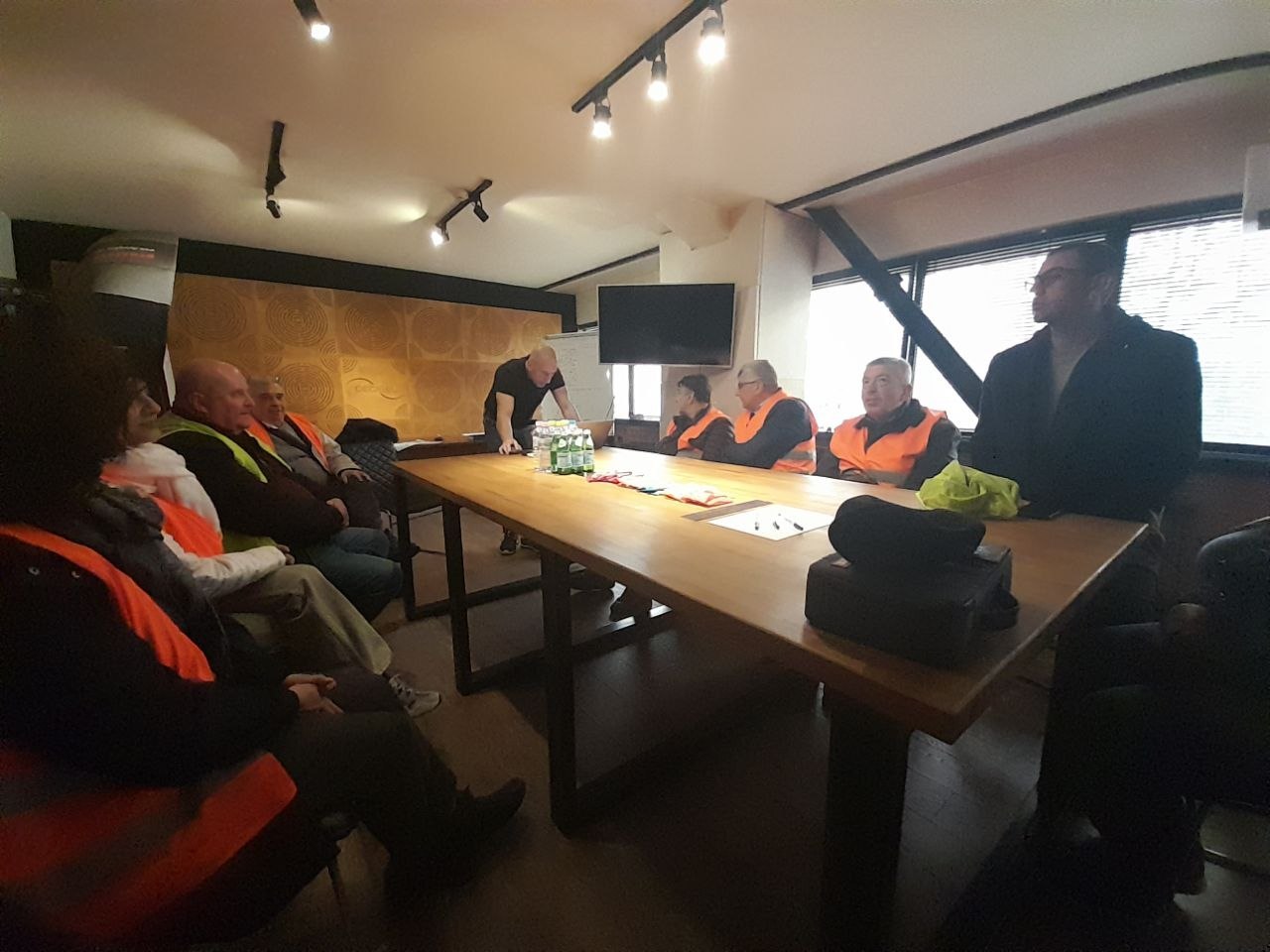
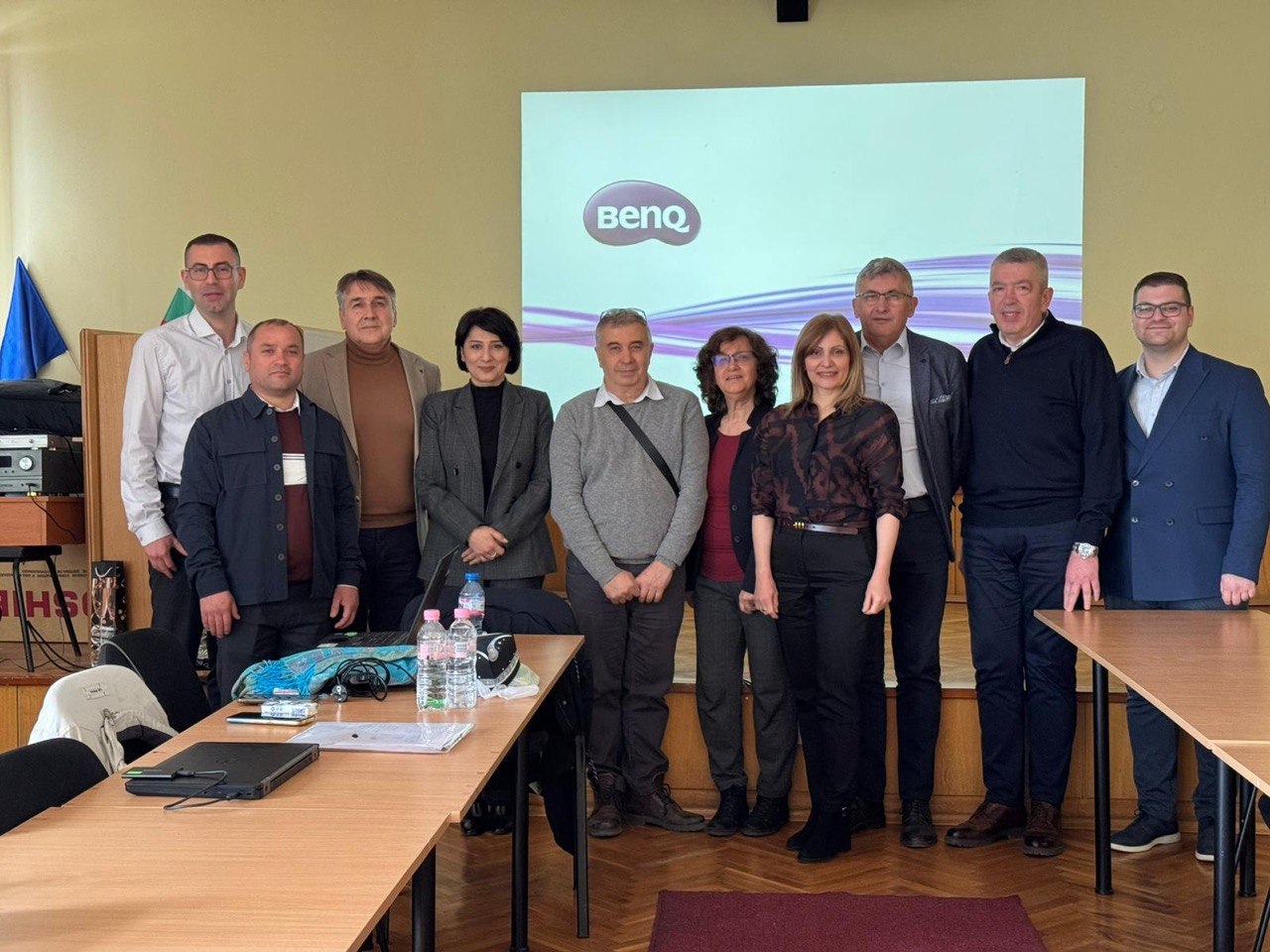
Professor Abed Nodira Soyibjonovna and Senior Researcher Bozorov Aminjon Nurilloyevich visited Sofia, Bulgaria, from March 22 to March 28, 2026.
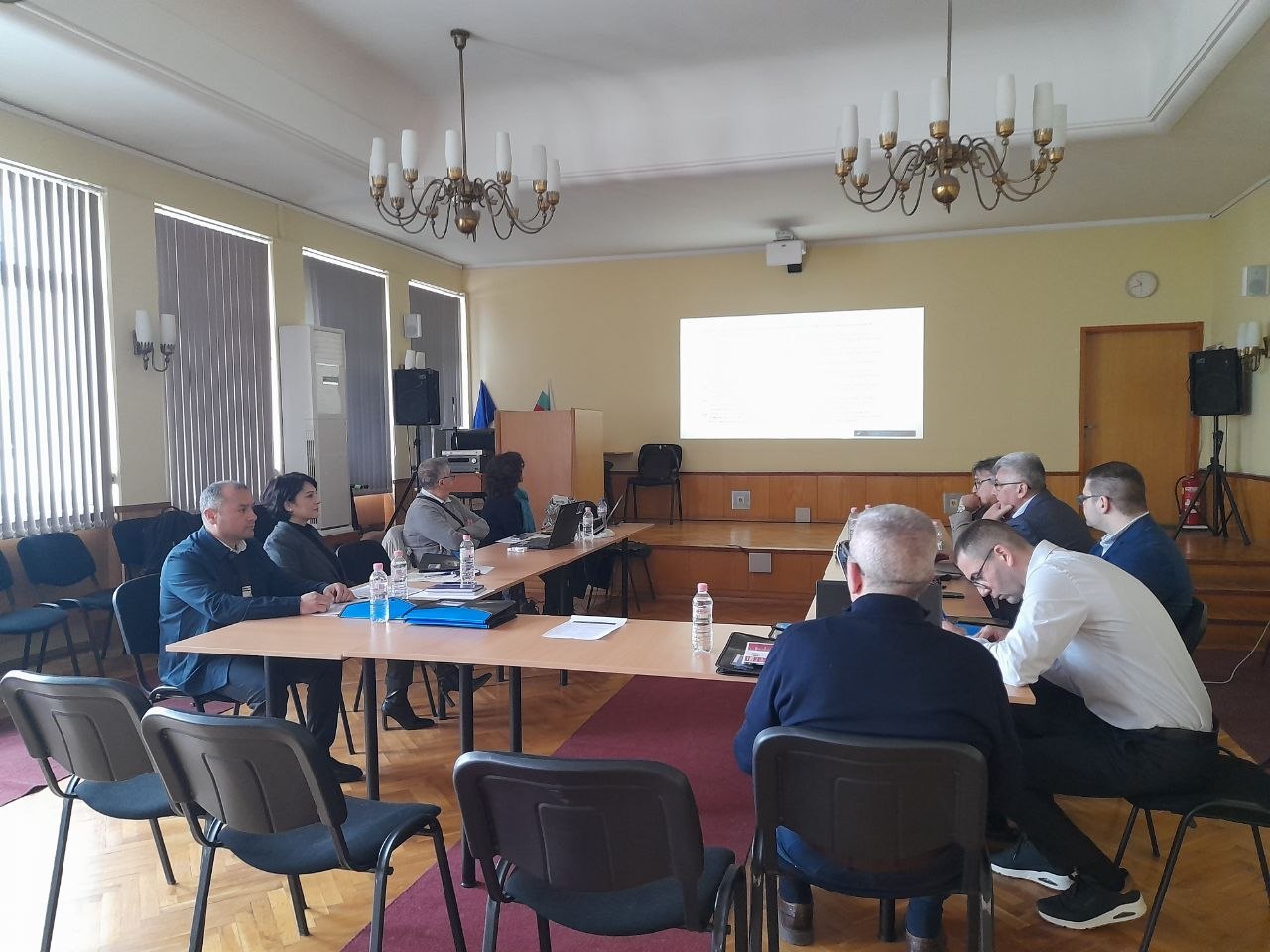
During the business trip, we participated in the final reporting meetings of the NATO SPS MYP G6006 project (Acoustic Multi-Functional Composites for Environmental Risks and Health Hazards Reduction). Presentations were delivered on the results obtained within the project, and the following conclusions were drawn:
1. Analysis of the most relevant patent information and scientific and technological achievements in the field of environmentally friendly acoustic composite materials for various functional applications.
The use of plant-derived fibrous raw materials as well as biomass as key components for acoustic composites was investigated. It was demonstrated that rice husks and buckwheat husks can form the structure of a low-density open-porous composite with low resistance to airflow. Therefore, these materials can be considered promising fillers for sound-insulating composite materials.
2. Research on current state-of-the-art technologies and equipment for the production of sound-absorbing and sound-insulating compositions.
Existing technologies and methods for producing acoustic composites based on polymer binders and fibrous-porous natural components (biomass) were reviewed. These composites are considered effective acoustic barriers for protection against industrial and transportation noise.
3. Analysis of the most relevant patent information and scientific and technological achievements in the field of environmentally friendly acoustic composite materials for various functional applications.
To expand the functional properties of the acoustic composites being developed, the possibilities of using innovative materials with special deformation characteristics capable of providing targeted and adaptive responses to operational influences (such as mechanical loads, temperature changes, vibrations, and others) were analyzed. It was demonstrated that such innovations may be based on the use of auxetic materials (auxetics), which are characterized by high volumetric compressibility and shear stiffness. A comparison of the sound absorption coefficients of porous material samples with a thickness of up to 40 mm showed that auxetic materials with concave cell structures exhibit improved sound-absorbing properties in the low-frequency range up to 1500 Hz when compared with polyurethane foam materials. However, at higher frequencies, the sound absorption coefficient did not exceed 0.70.
In addition, various research laboratories and manufacturing enterprises were visited during the trip, providing an opportunity to familiarize ourselves with their research activities, production processes, and technological practices.
 |
 |